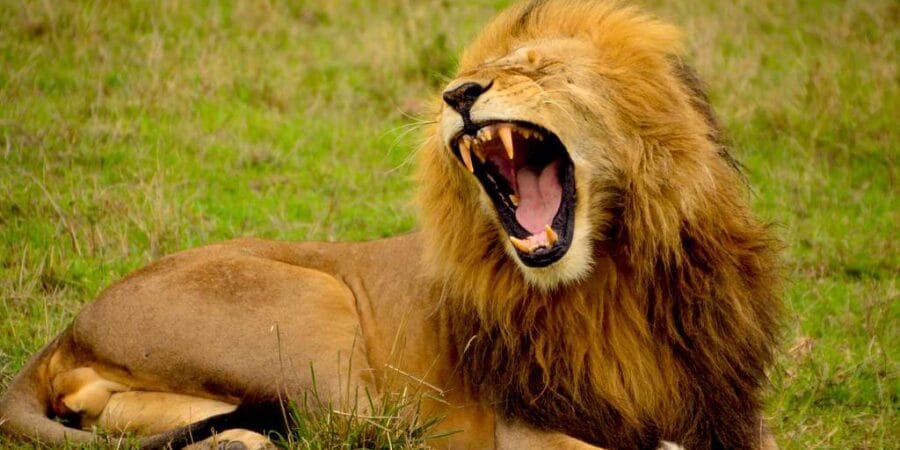
Lions are often portrayed as the kings of the jungle, powerful and fearsome predators that dominate their territories. However, one of the most intriguing aspects of their lifestyle is their reputed tendency to sleep for up to 20 hours a day. But is this really true? In this article, we will explore the truth behind lion behavior, their sleep patterns, and how these apex predators spend their time in the wild.
Understanding Lion Sleep Patterns
Lions, like many large predators, are known for their extensive periods of rest. They are among the laziest of the big cats, but this behavior is not without reason. Their sleep patterns are influenced by various factors, including energy conservation, hunting strategies, and environmental conditions.
Do Lions Sleep 20 Hours a Day?
While it is commonly believed that lions sleep for 20 hours a day, this number can vary. On average, lions rest for about 16 to 20 hours daily, with some individuals sleeping more or less depending on the availability of food, weather conditions, and social dynamics within the pride.
Why Do Lions Sleep So Much?
Lions are apex predators, meaning they are at the top of the food chain and do not need to stay alert for threats as often as prey animals. Their hunting style requires short bursts of intense energy, which they compensate for by resting most of the day. Lions are primarily nocturnal hunters, meaning they are most active during the night. By resting during the heat of the day, they conserve their energy for hunting expeditions that typically take place in the cooler hours of dusk and dawn. After consuming a large meal, lions need time to digest. Their diet consists mainly of meat, which takes time to break down, further contributing to their long rest periods.
How Lions Spend Their Awake Time
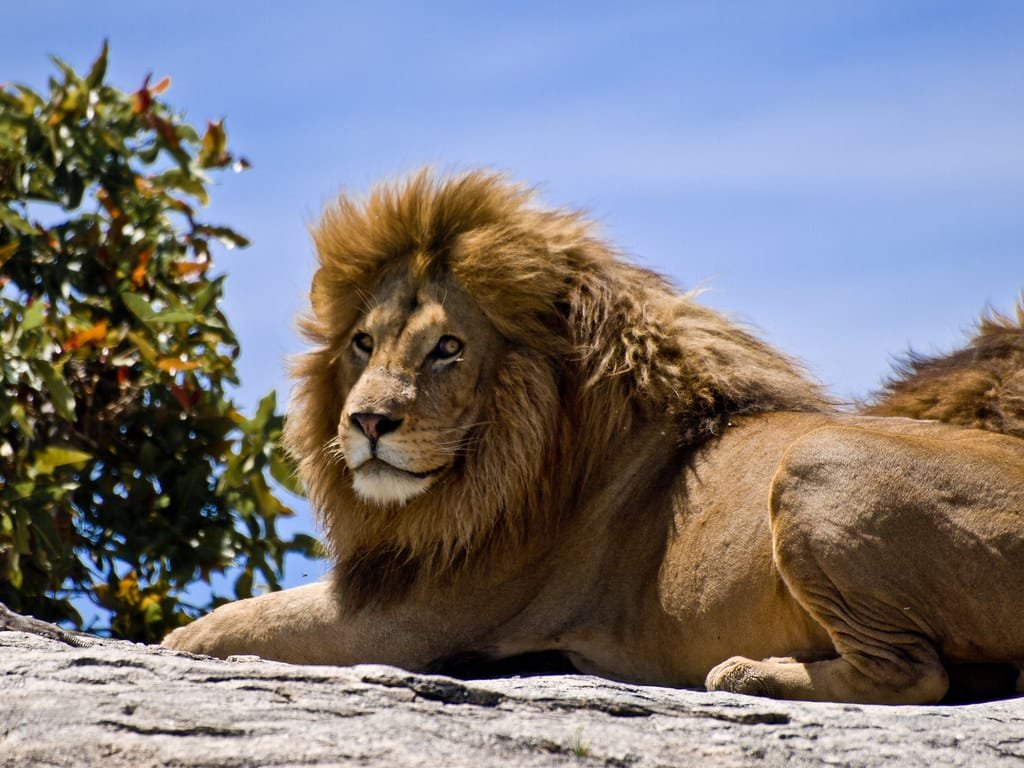
When lions are awake, they engage in various activities that are crucial for their survival and social structure. Lions rely on cooperative hunting strategies to take down large prey such as zebras, wildebeests, and buffalos. Lionesses usually do most of the hunting, while male lions defend the territory and sometimes join in large hunts. Lions are highly social animals that live in pride consisting of multiple related females, their offspring, and a few dominant males. Grooming, playing, and physical interactions strengthen social bonds within the pride. Male lions play a critical role in defending the pride’s territory from rival males. This involves patrolling the area, roaring to establish dominance, and sometimes engaging in fierce battles.
How Lion Behavior Changes in Different Environments
Wild lions follow a typical rest-and-hunt cycle that aligns with their natural habitat. Factors such as prey availability, seasonal changes, and competition from other predators influence their behavior. Lions in captivity tend to sleep slightly less than their wild counterparts. Since they do not have to hunt for food and face fewer survival challenges, their behavior is often more active during daylight hours.
Myths vs. Facts About Lion Sleep
The amount of rest varies based on environmental factors and the individual lion’s needs. While they do spend a lot of time resting, lions are highly active when necessary, especially during hunting and territorial disputes. Lions alternate between deep sleep and light rest, allowing them to remain aware of their surroundings.
The Role of Rest in a Lion’s Survival
Lions’ long rest periods allow them to maximize their hunting efficiency and maintain their strength. By minimizing energy expenditure during the day, they can deliver explosive bursts of speed and power when chasing down prey.
Conclusion
Lions may not sleep exactly 20 hours a day, but they do rest for the majority of their time. Their sleep patterns are essential for their survival, helping them conserve energy, hunt effectively, and maintain their role as top predators. Understanding the truth about lion behavior gives us a deeper appreciation for these magnificent creatures and the adaptations that allow them to thrive in the wild.