
Technology has transformed nearly every industry, and live entertainment and events are no exception. From virtual concerts to AI-driven event management, the landscape of live experiences is evolving rapidly. As digital innovations continue to shape how audiences interact with entertainment, businesses and event organizers are leveraging cutting-edge tools to create immersive, engaging, and seamless experiences. Here’s how technology is revolutionizing live entertainment and events.
1. The Rise of Virtual and Hybrid Events
The COVID-19 pandemic accelerated the adoption of virtual and hybrid events, allowing audiences worldwide to participate in experiences from the comfort of their homes. Platforms like Zoom, Hopin, and Microsoft Teams have enabled businesses, artists, and organizations to host live events that blend physical and digital elements.
2. Augmented Reality (AR) and Virtual Reality (VR) Enhancements
AR and VR are pushing the boundaries of audience engagement. Concerts, sports events, and theater productions are increasingly incorporating these technologies to provide immersive experiences. From AR-powered stage designs to VR concerts accessible through headsets, these advancements make live entertainment more dynamic and inclusive.
3. Artificial Intelligence (AI) in Event Planning
AI-powered tools help event organizers streamline planning, predict audience preferences, and enhance ticketing strategies. Chatbots, data-driven marketing, and AI-driven personalization allow organizers to deliver tailored experiences while improving operational efficiency.
4. Live Streaming and On-Demand Access
Streaming services and social media platforms such as YouTube, Facebook Live, and Twitch have democratized access to live entertainment. Artists, comedians, and event hosts can now reach global audiences without the limitations of physical venues, making performances more accessible than ever.
5. Contactless Ticketing and Cashless Payments
Digital tickets, QR codes, and mobile payments have replaced traditional paper tickets and cash transactions at events. These innovations enhance security, reduce fraud, and provide seamless entry experiences while improving overall event efficiency.
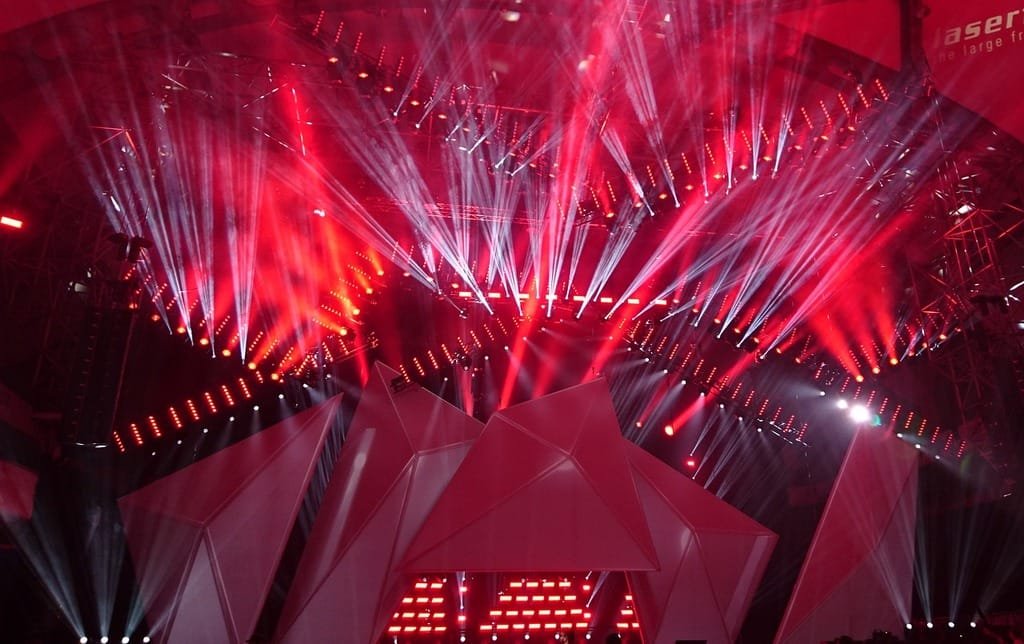
6. Smart Venues and IoT Integration
Venues are becoming smarter, leveraging IoT (Internet of Things) technology for crowd control, security, and personalized experiences. Smart wristbands, facial recognition entry, and AI-powered seating arrangements are improving efficiency while enhancing attendee safety and convenience.
7. Enhanced Audience Engagement with Social Media
Social media platforms play a crucial role in promoting and enhancing live events. Hashtag campaigns, live tweets, and interactive polls allow audiences to engage with events in real time, while influencers and brand partnerships amplify visibility.
8. Holographic and 3D Projection Technology
Artists and speakers can now appear on stage as holograms, expanding the possibilities of live performances. Holographic projections and 3D mapping create stunning visual effects that enhance concerts, corporate events, and keynote presentations.
9. AI-Powered Personalization for Attendees
From personalized schedules to tailored content recommendations, AI is making events more customized. Attendees receive curated experiences based on their interests, ensuring more meaningful interactions and participation.
10. Gamification and Interactive Experiences
Gamification elements such as live polls, leaderboards, and rewards increase audience engagement. Event organizers use mobile apps and interactive technologies to create dynamic experiences that keep attendees engaged before, during, and after events.
11. 5G and High-Speed Connectivity
The rollout of 5G networks has significantly improved live event streaming, audience interactivity, and connectivity in large venues. High-speed internet allows for seamless real-time engagement, high-quality video streaming, and enhanced digital experiences.
12. The Future of Live Entertainment and Events
As technology continues to evolve, live entertainment and events will become even more immersive, accessible, and efficient. From AI-driven event planning to metaverse experiences, the future holds limitless possibilities for transforming how people engage with live events.
Conclusion
Technology is redefining live entertainment and events, making them more innovative, interactive, and inclusive. From AI and AR/VR to smart venues and gamification, digital advancements continue to reshape audience engagement and event execution. As businesses and event organizers embrace these innovations, the live entertainment landscape will continue to evolve, offering audiences more engaging and memorable experiences than ever before.